
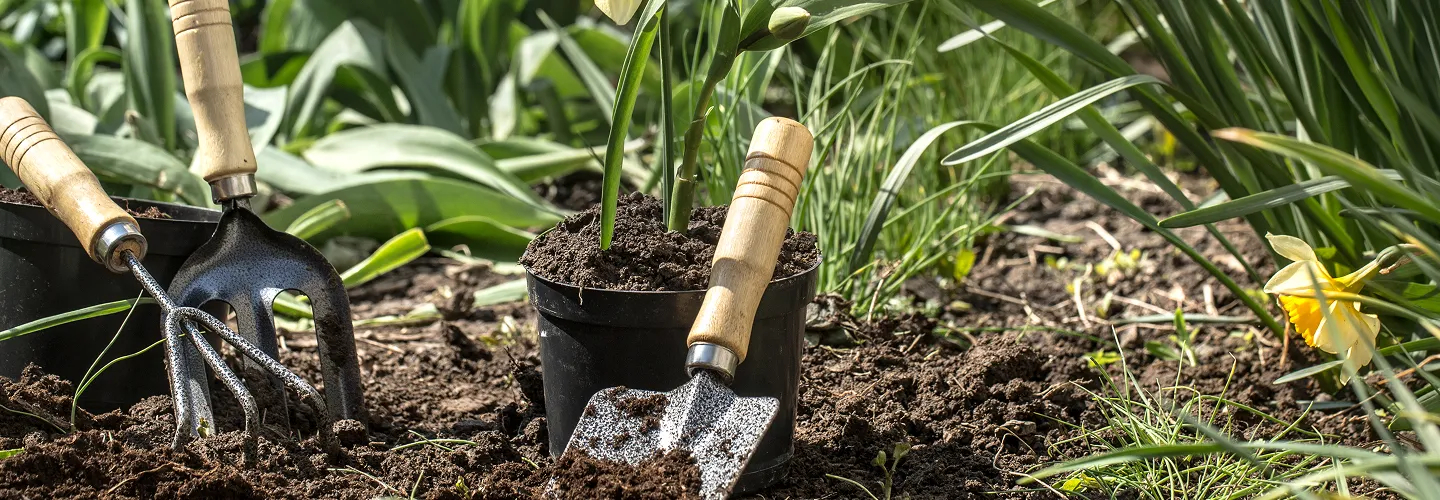
Port Charlotte Weeding Services
Choose our expert weeding services for a healthier, more beautiful landscape—our experienced team ensures your garden stays vibrant, tidy, and free from unwanted growth, saving you time and effort.
Get a Free QuoteOur Port Charlotte Landscaping & Yard Care Services
When to Schedule Weeding in Port Charlotte, Florida – Seasonal Guide
In Port Charlotte, Florida, the best times to schedule weeding are closely tied to our unique subtropical climate and the specific needs of local landscapes. With mild winters and hot, humid summers, weed growth can be persistent year-round, but it tends to surge during the rainy season from late spring through early fall. Neighborhoods near the Peace River or around Port Charlotte Beach Park often experience rapid weed growth due to higher soil moisture and shade from mature trees. Scheduling weeding just after the last frost date—typically in late February—helps prevent early weed establishment, while follow-up sessions in late summer can address regrowth after heavy rains.
Local environmental factors such as sandy soils, high humidity, and occasional droughts play a significant role in determining the optimal weeding schedule. Areas like Deep Creek or along Edgewater Drive may require more frequent attention due to dense tree coverage and varying terrain. It's also important to consider municipal guidelines and local resources when planning your weeding services to ensure compliance and best practices.
Local Factors to Consider for Weeding in Port Charlotte
- Tree density and shade coverage in your yard
- Soil type (sandy, loamy, or clay)
- Seasonal precipitation and risk of drought
- Proximity to water bodies like the Peace River
- Municipal restrictions or neighborhood association guidelines
- Terrain and drainage patterns
Benefits of Weeding in Port Charlotte
Enhanced Curb Appeal
Healthier Plant Growth
Reduced Pest Infestation
Improved Soil Quality
Increased Property Value
Professional and Reliable Service
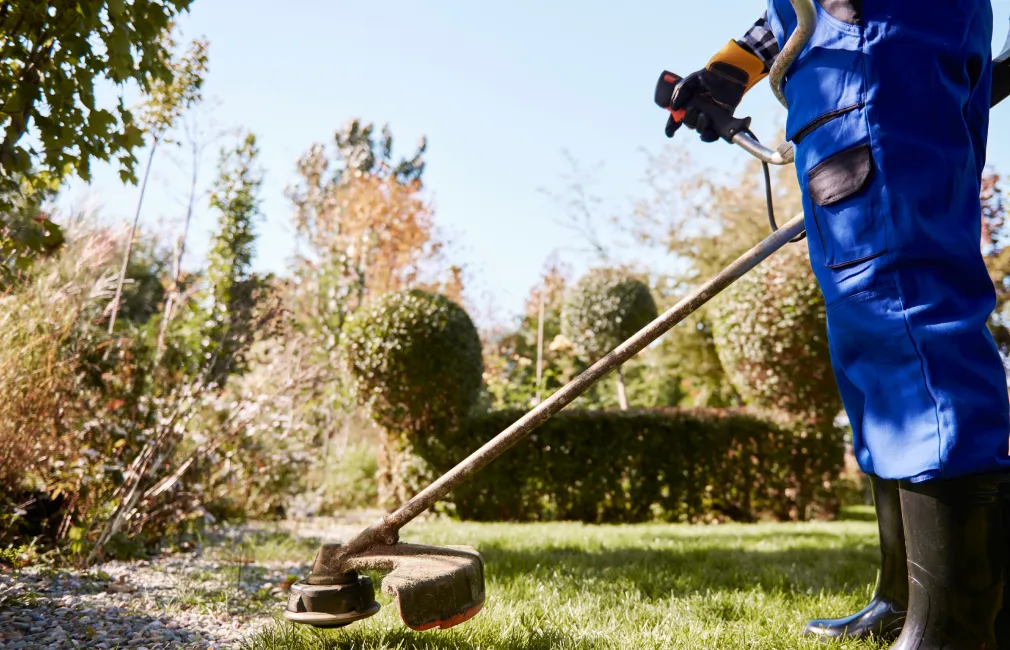
Port Charlotte Weeding Types

Hand Weeding
-
Mechanical Weeding
-
Mulching for Weed Control
-
Pre-Emergent Herbicide Application
-
Post-Emergent Herbicide Application
-
Flame Weeding
-
Landscape Fabric Installation
Our Weeding Process
Site Evaluation
Weed Identification
Manual Removal
Soil Cultivation
Preventative Measures
Why Choose Port Charlotte Landscape Services
Port Charlotte Homeowners Trust Us
-
Expert Lawn Maintenance
-
Reliable Irrigation Solutions
-
Comprehensive Tree Care
-
Competitive Pricing
-
Licensed and Insured Team
-
Prompt Customer Support
-
Satisfaction Guarantee
Coordinating Weeding Services with Port Charlotte's County Departments and Programs
Port Charlotte is an unincorporated community governed by Charlotte County, which means residents and property managers coordinate weeding-related concerns through county-level departments rather than a municipal office. When weeding activities generate vegetative debris—pulled weeds, root masses, or cleared organic material—proper disposal must follow Charlotte County's yard waste collection guidelines. Property owners should verify current curbside pickup schedules and bundling requirements through Charlotte County Public Works, as improperly staged debris near swales, canal banks, or storm-drain inlets can obstruct drainage infrastructure. For properties adjacent to county-maintained canals or retention areas, weeding crews should avoid depositing any plant material into drainage conveyances, since organic matter contributes to nutrient loading and blockages in the stormwater system.
- Confirm yard waste collection schedules and container requirements before staging pulled weeds at the curb
- Keep all removed plant material away from swales, canal edges, and storm-drain openings
- Contact Conservation Charlotte for guidance when weeding near environmentally sensitive buffers or preservation areas
Charlotte County Public Works
Official Website: Charlotte County Public Works
How Port Charlotte's Gulf Coast Climate Drives Year-Round Weed Pressure
Port Charlotte sits within the Gulf Coast Florida context, classified in USDA Hardiness Zone 10a, where subtropical heat and high humidity sustain aggressive weed growth across nearly every month of the year. The area's sandy, poorly drained soils—common throughout Charlotte County's subdivisions built on fill and native fine sands—allow rapid moisture infiltration after rainfall but also leach nutrients quickly, creating conditions where opportunistic weeds outcompete desired plantings. The wet season, typically running from June through October, delivers heavy afternoon thunderstorms that trigger rapid weed flushes in landscape beds, along hardscape edges, and through turf borders within days of each rain event.
- Summer temperatures regularly exceed 90°F with humidity above 80%, accelerating weed seed germination in exposed soil
- Sandy soils dry quickly at the surface during the dry season (November–May), but shallow water tables in many Port Charlotte subdivisions keep root zones moist enough to sustain perennial weed species
- Salt-tolerant weed species may appear on properties closer to the harbor and tidal canal systems
- Organic-rich low areas and poorly graded lots accumulate moisture that favors sedge and broadleaf weed establishment
Navigating Port Charlotte's Regulatory Framework for Herbicide Use and Runoff
Any weeding program that involves chemical herbicide application in Port Charlotte must comply with Florida's pesticide regulations. Under Florida Statutes Chapter 487, commercial applicators must hold valid certification through the Florida Department of Agriculture and Consumer Services (FDACS). This applies to any contractor applying pre-emergent or post-emergent herbicides on residential or commercial properties. Charlotte County's stormwater management system connects to an extensive network of canals, retention ponds, and outfalls that ultimately discharge into Charlotte Harbor, an estuary of significant ecological value. The Florida DEP NPDES Stormwater Program governs pollutant discharge prevention, and herbicide drift or runoff into these conveyances constitutes a compliance concern.
- Verify that any service provider applying herbicides holds current FDACS certification
- Avoid herbicide application within 24 hours of forecast rainfall to reduce runoff risk into canals and retention systems
- Do not apply granular or liquid herbicides directly adjacent to storm-drain inlets, swale flow lines, or canal banks
- Properties within flood-prone zones or near county-maintained waterways should prioritize manual weeding or targeted spot-treatment over broadcast application
Conservation Charlotte
Official Website: Conservation Charlotte
Timing and Methods for Effective Weeding in Port Charlotte's Landscape Beds
Professional weeding in Port Charlotte requires attention to seasonal weed cycles and site-specific conditions rather than a fixed calendar approach. Pre-emergent herbicide barriers, when used, are most effective when applied before the onset of the wet season in late May or early June and again ahead of the cooler-season germination window in early fall. Hand weeding and mechanical removal remain the most environmentally protective methods, particularly on properties near canals, retention ponds, or Florida's protected water resources. Removing weeds before they set seed significantly reduces future weed pressure across beds, borders, and hardscape joints.
- Pull or hoe weeds when soil is moist—typically one to two days after rainfall—to extract root systems more completely from sandy soils
- Maintain mulch depth of approximately two to three inches in landscape beds to suppress germination and reduce soil temperature fluctuations
- Address bed edges and hardscape transitions where weed encroachment from turf areas is most persistent
- Use targeted post-emergent spot treatments only on identified weed species, following all FDACS applicator guidelines, rather than broadcast spraying entire beds
- Schedule routine weeding on a biweekly or monthly cycle during the wet season, when weed regrowth accelerates substantially
Charlotte County Public Works Engineering
Official Website: Charlotte County Public Works Engineering
What Neighborhoods Do We Serve Throughout Port Charlotte, FL?
- Deep Creek — This golf-course community features irrigated turf borders and ornamental beds where consistent weeding prevents encroachment into maintained landscape zones adjacent to retention ponds and canal edges.
- Murdock Village — Redevelopment-area properties often have compacted fill soils and disturbed ground that promote aggressive broadleaf and grassy weed establishment in beds and along lot perimeters.
- Port Charlotte Town Center Area — Commercial and residential properties near the town center corridor contend with reflected heat from parking surfaces and hardscape joints that harbor persistent weed growth.
- Harbour Heights — Larger lots with mature landscaping and partial shade create mixed weed pressure, with sedges and shade-tolerant broadleaf species dominating under tree canopies.
- South Port Charlotte — Properties near Charlotte Harbor and tidal canal systems encounter salt-tolerant weed species and must manage weeding debris carefully to protect adjacent waterway buffers.
- Peachland Boulevard Corridor — Residential subdivisions along this corridor feature typical sandy fill soils with high weed turnover in landscape beds, particularly after summer storms.