
Port Charlotte Lawn Mowing Services
Choose our lawn mowing service for reliable, professional results that keep your yard looking its best all season long. Our experienced team uses top-quality equipment and pays attention to every detail, ensuring your lawn is healthy, beautiful, and the envy of the neighborhood.
Get a Free QuoteOur Port Charlotte Landscaping & Yard Care Services
When to Schedule Lawn Mowing in Port Charlotte, Florida – Seasonal Guide
In Port Charlotte, Florida, the timing of your lawn mowing routine is crucial for maintaining a healthy, vibrant yard. The region’s subtropical climate means grass grows rapidly from late spring through early fall, especially in neighborhoods like Deep Creek and along the Peace River. Optimal mowing typically begins in March, after the last frost date, and continues through November, when cooler temperatures slow growth. Local environmental factors such as high humidity, sandy soils, and the risk of summer droughts all play a role in determining the best mowing schedule. Areas with dense shade from mature oaks, like those near Port Charlotte Beach Park, may require less frequent mowing, while open, sun-exposed lawns need more regular attention. For more information on local regulations and best practices, visit the official municipal website.
Local Factors to Consider for Lawn Mowing in Port Charlotte
- Tree density and shade coverage
- Soil type (sandy vs. loamy)
- Seasonal precipitation and drought risk
- Proximity to water features or wetlands
- Municipal restrictions on mowing times
- Terrain and slope of your property
Benefits of Lawn Mowing in Port Charlotte
Professional Landscaping Expertise
Consistent Lawn Appearance
Time-Saving Services
Enhanced Curb Appeal
Reliable Scheduling
Eco-Friendly Lawn Care
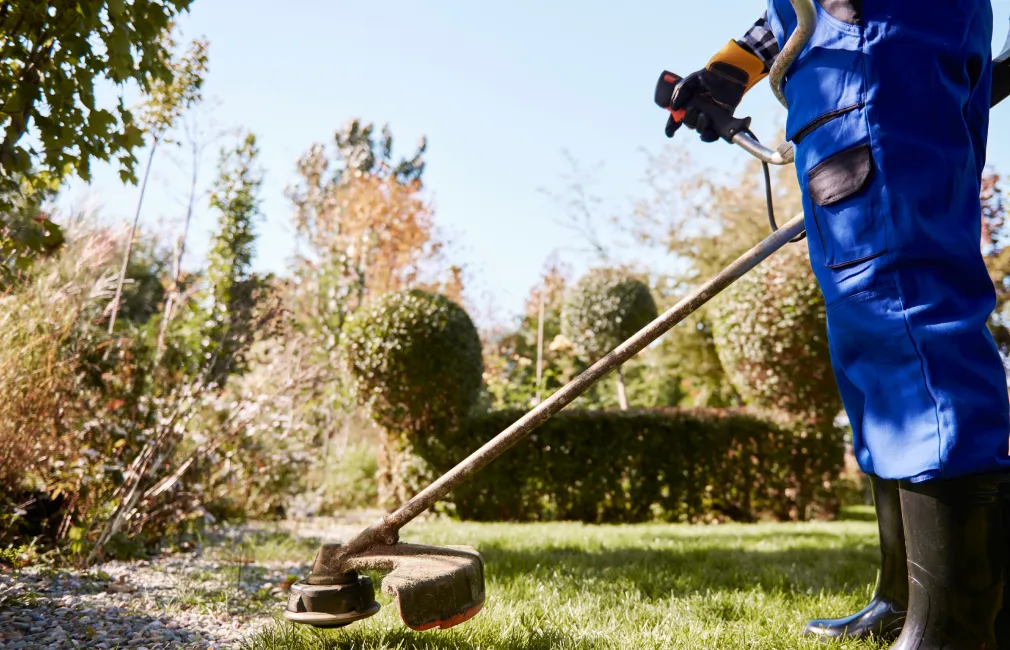
Port Charlotte Lawn Mowing Types

Standard Lawn Mowing
-
Mulching Mower Service
-
Bagging and Clipping Removal
-
Edging and Trimming
-
Commercial Property Mowing
-
Seasonal Clean-Up Mowing
-
Custom Height Mowing
Our Lawn Mowing Process
Site Evaluation
Equipment Preparation
Mowing Execution
Edging and Trimming
Cleanup
Why Choose Port Charlotte Landscape Services

Port Charlotte Homeowners Trust Us
-
Expert Lawn Maintenance
-
Reliable Irrigation Solutions
-
Comprehensive Tree Care
-
Competitive Pricing
-
Licensed and Insured Team
-
Prompt Customer Support
-
Satisfaction Guarantee
Coordinating Lawn Mowing Services with Charlotte County Public Works in Port Charlotte
Port Charlotte is an unincorporated community governed by Charlotte County, which means residents and property managers coordinate lawn mowing logistics—particularly yard waste disposal and right-of-way maintenance—through county departments rather than a municipal office. Charlotte County Public Works oversees curbside vegetative debris collection, swale maintenance along roadways, and drainage infrastructure protection. Property owners who mow regularly should verify current yard waste bundling and placement requirements through Public Works to ensure clippings, trimmings, and bagged debris are handled in compliance with county collection standards.
- Grass clippings and small vegetative debris should never be blown or deposited into swales, canal banks, curb inlets, or stormwater conveyances.
- Mowing contractors working along county rights-of-way should confirm setback and access expectations with the county engineering division.
- Properties adjacent to county-maintained drainage canals must keep mowing debris clear of canal edges to prevent nutrient loading and flow obstruction.
For questions about yard waste collection schedules, right-of-way mowing coordination, or drainage swale protection, contact the appropriate county department directly.
Charlotte County Public Works
Official Website: Charlotte County Public Works
Charlotte County Public Works Engineering
Official Website: Charlotte County Public Works Engineering
How Port Charlotte's Gulf Coast Climate and Sandy Soils Shape Lawn Mowing Needs
Port Charlotte sits within the Gulf Coast Florida climate zone, classified in USDA Hardiness Zone 10a, where subtropical heat, high humidity, and a pronounced wet season from June through September drive aggressive turf growth. The area's predominant soils are sandy and poorly structured, with low organic matter and rapid drainage that accelerates nutrient leaching. Many subdivisions were built on fill material placed over naturally low-lying terrain, creating variable drainage conditions across individual lots.
- Summer growth surges: St. Augustinegrass and bahiagrass—the two most common turf species in Port Charlotte—grow rapidly during the wet season, often requiring weekly or even twice-weekly mowing from May through October.
- High water table: Much of Port Charlotte sits near or within flood-prone zones adjacent to canals and retention systems, meaning saturated soils can make mowing difficult and increase rutting risk during peak rainfall periods.
- Humidity and fungal pressure: Persistent humidity promotes fungal diseases such as gray leaf spot and brown patch, which can be worsened by mowing wet turf or cutting too low, stressing the grass canopy.
- Salt exposure: Properties closer to Charlotte Harbor or tidal canal systems may experience mild salt drift, which affects turf vigor and mowing recovery rates.
Understanding these conditions is essential for scheduling mowing at appropriate intervals and heights throughout the year, as outlined by UF/IFAS Lawn Maintenance and Care guidance.
Navigating Port Charlotte's Code Compliance and Stormwater Rules for Lawn Mowing
Charlotte County enforces property maintenance standards through its code compliance process, which addresses overgrown vegetation, visibility obstructions along roadways, and nuisance conditions on residential and commercial lots. Property owners who allow turf to exceed locally established height thresholds may receive code violation notices. Specific height limits and enforcement timelines should be verified directly with Charlotte County Community Development, which administers land use and code compliance functions.
- Lawn mowing operations that discharge clippings or sediment into stormwater systems may trigger concerns under the Florida DEP NPDES Stormwater Program, which regulates pollutant discharges into waters of the state through municipal separate storm sewer systems (MS4).
- Charlotte County's extensive canal network—originally developed as part of the General Development Corporation subdivision system—makes stormwater protection particularly critical during mowing, edging, and blowing operations.
- Any pesticide or herbicide application performed in conjunction with mowing must comply with FDACS pesticide applicator licensing requirements when performed commercially.
- Fertilizer applications tied to lawn care programs should follow guidance consistent with Florida Statutes §403.9337, which establishes the model ordinance framework for Florida-Friendly fertilizer use on urban landscapes.
Charlotte County Community Development
Official Website: Charlotte County Community Development
Conservation Charlotte
Official Website: Conservation Charlotte
Timing and Technique Standards for Lawn Mowing in Port Charlotte's Heat and Wet Season
Professional mowing standards in Port Charlotte must account for the area's intense summer heat, saturated soils during the rainy season, and the specific growth habits of warm-season turfgrasses. According to UF/IFAS lawn care guidance, proper mowing height is one of the most important factors in maintaining turf health and reducing weed pressure.
- St. Augustinegrass should generally be maintained at 3.5 to 4 inches, which promotes deeper root development and better drought tolerance in sandy Gulf Coast soils.
- Bahiagrass performs well at 3 to 4 inches and tolerates the lower-fertility conditions common in Port Charlotte's older subdivisions.
- Mow early in the day when possible to reduce heat stress on both turf and equipment operators; avoid mowing during or immediately after heavy afternoon thunderstorms when soils are saturated.
- Follow the one-third rule: never remove more than one-third of the grass blade height in a single mowing to prevent scalping and stress-induced disease.
- Grass clippings should be left on the lawn when practical, as they return nitrogen and organic matter to the sandy soil profile, reducing the need for supplemental fertilization.
- During the dry season (November through April), mowing frequency can typically be reduced to every two to three weeks as turf growth slows, though irrigation schedules—governed by the Southwest Florida Water Management District—affect growth rates and should be verified through Charlotte County Utilities.
What Neighborhoods Do We Serve Throughout Port Charlotte, FL?
- Deep Creek: This master-planned community features golf course-adjacent lots with irrigated St. Augustinegrass lawns that require consistent mowing schedules, particularly during the wet season when growth accelerates rapidly.
- Murdock Village area: Properties in this redevelopment zone often sit on older fill soils with variable drainage, requiring attention to mowing height and equipment weight to avoid rutting on saturated lots.
- Port Charlotte Town Center vicinity: Commercial and residential parcels near the town center corridor tend toward smaller lot sizes with limited turf area, but code compliance visibility standards make regular mowing essential.
- South Gulf Cove: Canal-front lots in this waterfront subdivision demand careful clipping management to prevent grass debris from entering the extensive canal system that connects to Charlotte Harbor.
- Harbour Heights: Elevated lots in this area often feature bahiagrass and mixed turf on sandy, well-drained soils, where mowing height management helps retain soil moisture during dry periods.
- Punta Gorda Isles border areas: Properties along the northern edges of Port Charlotte near Punta Gorda Isles share similar canal-adjacent drainage sensitivity and benefit from mowing practices that protect waterway buffers.