
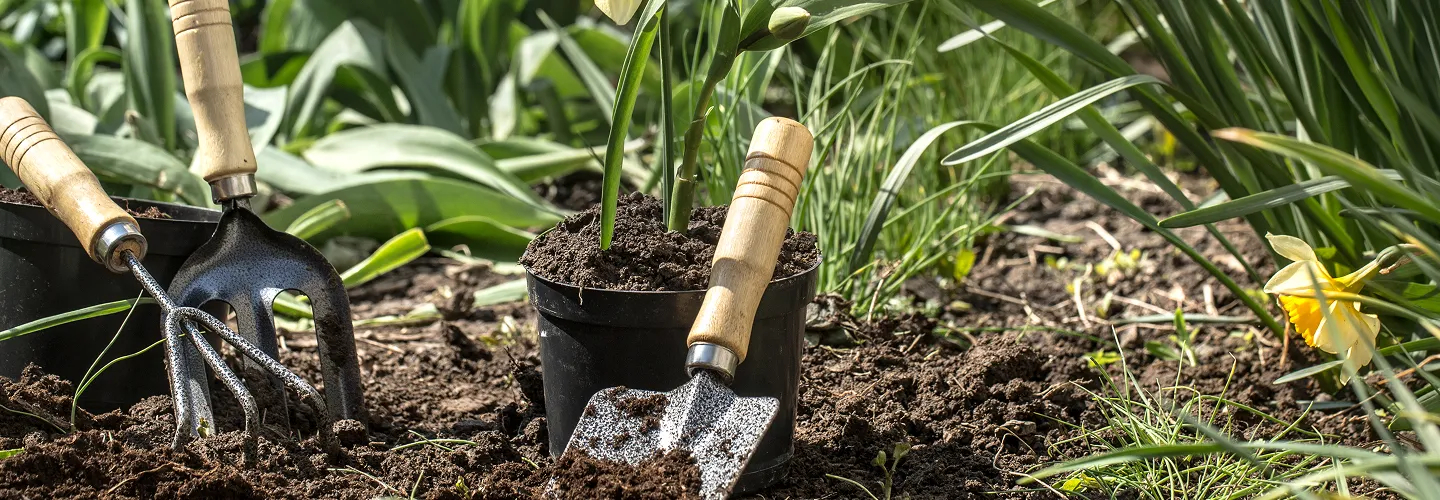
Port Charlotte Lawn Installation Services
Choose our expert lawn installation for a vibrant, healthy yard that boosts your home's curb appeal and provides a beautiful space for your family to enjoy year-round.
Get a Free QuoteOur Port Charlotte Landscaping & Yard Care Services
When to Schedule Lawn Installation in Port Charlotte, Florida – Seasonal Guide
Choosing the right time for lawn installation in Port Charlotte, Florida, is essential for achieving a lush, healthy yard that thrives year-round. Thanks to our subtropical climate, the best periods for new sod or seed are typically late spring and early fall, when temperatures are warm but not scorching and rainfall is more predictable. Neighborhoods like Deep Creek and South Gulf Cove often see homeowners planning installations after the last frost date in early March or before the peak summer heat in June. Local soil types—ranging from sandy loam near the Peace River to denser soils in North Port—also play a significant role in determining the ideal timing and preparation for your project.
Environmental factors unique to Port Charlotte, such as high humidity, periodic drought risk, and varying shade coverage from mature oaks in areas like Edgewater or along Harbor Boulevard, should be considered. It's also important to monitor municipal watering restrictions, which can affect establishment periods. For more detailed local guidelines, you can consult resources like the Town of Sudbury’s landscaping recommendations, which, while not specific to Florida, offer helpful insights on sustainable practices.
Local Factors to Consider for Lawn Installation in Port Charlotte
- Tree density and shade coverage, especially in established neighborhoods
- Soil composition and drainage, which can vary by proximity to waterways
- Seasonal precipitation patterns and risk of drought
- Local frost dates and temperature fluctuations
- Municipal watering restrictions and permit requirements
- Terrain slope and potential for runoff
- Proximity to landmarks such as Port Charlotte Beach Park or the Myakka River
By taking these local factors into account, you can ensure your new lawn is installed at the optimal time for long-term success.
Benefits of Lawn Installation in Port Charlotte
Expert Local Knowledge
Premium Quality Sod
Efficient Installation Process
Customized Lawn Solutions
Enhanced Curb Appeal
Reliable Ongoing Support
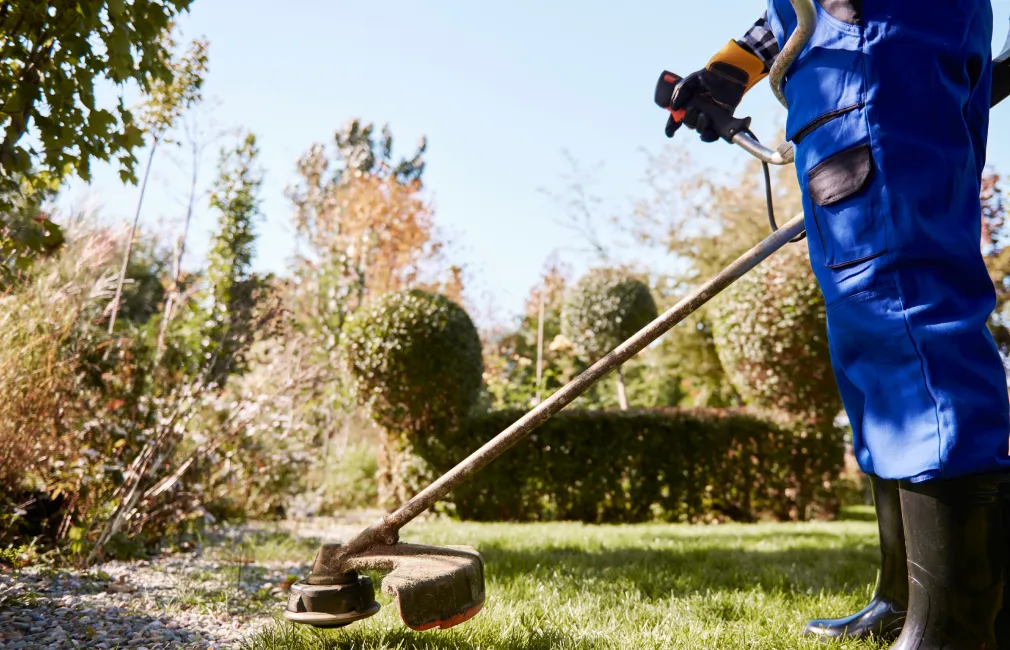
Port Charlotte Lawn Installation Types

Sod Installation
-
Hydroseeding
-
Artificial Turf Installation
-
Sprigging and Plugging
-
Seeding
-
Zoysia Grass Installation
-
Bermuda Grass Installation
Our Lawn Installation Process
Site Evaluation
Soil Preparation
Sod or Seed Installation
Watering and Initial Care
Final Inspection
Why Choose Port Charlotte Landscape Services
Port Charlotte Homeowners Trust Us
-
Expert Lawn Maintenance
-
Reliable Irrigation Solutions
-
Comprehensive Tree Care
-
Competitive Pricing
-
Licensed and Insured Team
-
Prompt Customer Support
-
Satisfaction Guarantee
Coordinating Lawn Installation Projects Through Charlotte County Development Services
Port Charlotte is an unincorporated community governed by Charlotte County, so all development review, land-use compliance, and site-work coordination flow through county departments rather than a municipal office. Property owners planning lawn installation should coordinate with Charlotte County Community Development when the project accompanies new construction, significant regrading, or changes to drainage flow on the parcel. Site work that alters existing grade elevations, redirects stormwater, or encroaches on utility easements may trigger review by the county's engineering division. Before beginning any lawn installation, residents and property managers should confirm whether the scope of grading or fill placement requires a site-work review or land-alteration acknowledgment through the county permitting process.
- Verify whether your parcel falls within a flood zone, canal maintenance easement, or stormwater management area before grading
- Confirm irrigation connection requirements with Charlotte County Utilities, especially for reclaimed water service areas
- Contact Charlotte County Public Works Engineering if the project involves changes to swale grade, driveway apron drainage, or right-of-way turf replacement
Charlotte County Community Development
18400 Murdock Circle, Port Charlotte, FL 33948
Official Website: Charlotte County Community Development
Charlotte County Public Works Engineering
Official Website: Charlotte County Public Works Engineering
How Port Charlotte's Gulf Coast Soils and Wet Season Shape Lawn Installation
Port Charlotte sits within USDA Hardiness Zone 10a along Florida's southwestern Gulf Coast, where subtropical heat, high humidity, and a pronounced wet season from June through September define the growing environment. The area's soils are predominantly sandy and rapidly draining, often classified within the Myakka and Immokalee fine sand series according to the USDA Web Soil Survey. These sandy profiles leach nutrients quickly and retain very little moisture, which directly affects how turf establishes after installation. Many subdivisions in Port Charlotte were developed on fill material placed over native flatwoods soils, creating variable compaction and drainage behavior across even a single lot.
- High water table: Seasonal water tables in Port Charlotte can rise to within 12–24 inches of the surface during the wet season, saturating root zones and complicating grading
- Nutrient leaching: Sandy soils allow nitrogen and phosphorus to move rapidly toward canals, retention ponds, and the Charlotte Harbor estuary, making runoff control during establishment critical
- Heat intensity: Summer air temperatures regularly exceed 90°F with heat indices well above 100°F, stressing newly laid sod and accelerating moisture loss from exposed subgrade
- Salt exposure: Properties closer to the harbor or tidal canals may encounter brackish groundwater or salt-laden wind, influencing turf species selection
These conditions make proper soil preparation, irrigation coverage verification, and species selection essential steps rather than optional enhancements. The UF/IFAS Gardening Solutions – Lawns resource provides regionally appropriate guidance on warm-season turf establishment suited to Gulf Coast Florida.
Navigating Port Charlotte's Regulatory Requirements for Lawn Installation Compliance
Charlotte County enforces land development regulations that may apply to lawn installation projects depending on scope, location, and drainage impact. Properties adjacent to canals maintained by the county or within designated flood zones may face additional review requirements. The Florida DEP NPDES Stormwater Program governs stormwater discharge standards that apply when site disturbance could introduce sediment or nutrients into the county's canal and retention pond network. Contractors performing lawn installation that includes any pesticide or herbicide application during site preparation must hold valid credentials through the FDACS Pesticide Applicator Certification and Licensing program.
- Charlotte County's fertilizer ordinance restricts application during the summer rainy season; verify current blackout dates and requirements through the Florida-Friendly Fertilizer Ordinances App before applying starter fertilizer to new turf
- Irrigation systems connected to county utility water or reclaimed water must comply with watering restrictions set by the Southwest Florida Water Management District; schedules may vary by drought stage and supply source
- Sediment, sod scraps, and soil material must not be deposited into swales, canal banks, storm drains, or retention areas during or after installation
- Properties within deed-restricted communities may have additional landscape standards governing turf species, coverage minimums, and installation timelines
Conservation Charlotte
Official Website: Conservation Charlotte
Timing and Methods for Lawn Installation in Port Charlotte's Subtropical Climate
Professional lawn installation in Port Charlotte follows a sequence driven by the region's heat, rainfall patterns, and sandy soil behavior. The optimal establishment window for warm-season sod—including St. Augustinegrass, bahiagrass, and zoysiagrass—falls during the late spring through early summer months when soil temperatures are consistently warm and rainfall supports rooting. Installing during the dry season (November through May) is feasible but demands significantly more irrigation to prevent desiccation of newly laid sod on sandy subgrade.
- Grade preparation: The subgrade should be graded to direct surface water away from structures and toward designated swales or drainage features, with a minimum slope that prevents ponding without accelerating erosion toward canal banks or retention areas
- Soil amendment: On highly sandy or compacted fill lots, incorporating organic matter into the top several inches of soil improves moisture retention and supports initial root development
- Irrigation verification: All irrigation zones should be tested for head-to-head coverage and uniform distribution before sod is placed; gaps in coverage on sandy Gulf Coast soils lead to rapid turf failure during establishment
- Sod placement: Sod should be laid within hours of delivery during summer months to prevent heat damage on pallets; stagger joints and roll to ensure full soil contact
- Establishment watering: Newly installed turf typically requires frequent, light irrigation for the first several weeks, gradually transitioning to deeper and less frequent cycles as roots establish; property owners should coordinate this schedule with any applicable water restrictions
Runoff from establishment watering must be managed carefully. Excess irrigation water carrying loose soil or fertilizer into Port Charlotte's extensive canal system contributes to nutrient loading in Charlotte Harbor, a designated estuary of national significance.
Charlotte County Utilities
Official Website: Charlotte County Utilities
What Neighborhoods Do We Serve Throughout Port Charlotte, FL?
- Deep Creek: This golf-course community features established lots with mature landscaping, irrigation systems tied to reclaimed water, and HOA standards that often specify turf species and maintenance timelines for lawn installation projects.
- Murdock Village: Properties in this redevelopment area may involve fill soils and variable grading from prior site work, requiring thorough subgrade evaluation before new turf is placed.
- Port Charlotte Town Center area: Commercial-adjacent residential parcels near U.S. 41 often have compacted soils, limited pervious area, and stormwater management features that influence grading and irrigation layout for lawn installation.
- Harbour Heights: Canal-front and near-canal lots in this area demand careful attention to runoff control, setback from canal maintenance easements, and salt-tolerant turf selection where brackish water influence is present.
- South Port Charlotte: Older subdivisions south of Edgewater Drive frequently have mature tree canopy creating shade challenges, along with aging irrigation infrastructure that should be audited before new sod is installed.
- Punta Gorda Isles–adjacent sections: Properties along the western edges of Port Charlotte near tidal waterways may encounter elevated water tables and salt exposure, making species selection and drainage planning especially important.