
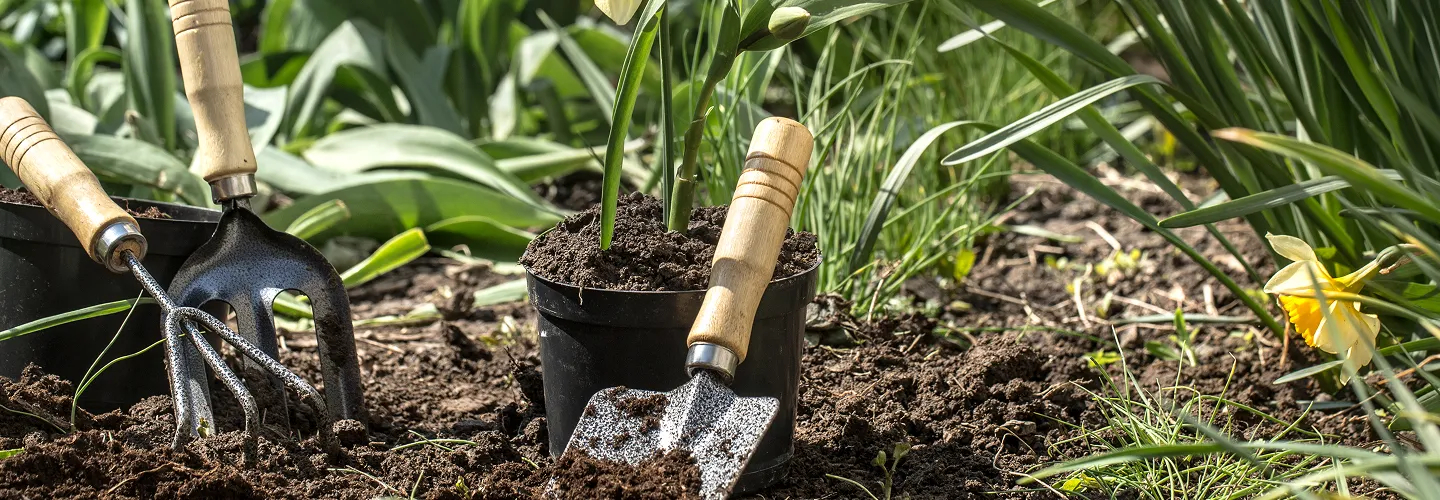
Port Charlotte Green Waste Disposal Services
Choose our Green Waste Disposal for reliable, environmentally responsible service that keeps your property clean and supports a healthier community.
Get a Free QuoteOur Port Charlotte Landscaping & Yard Care Services
When to Schedule Green Waste Disposal in Port Charlotte, Florida – Seasonal Guide
In Port Charlotte, Florida, the timing of green waste disposal is closely tied to our unique subtropical climate and the rhythms of local landscaping needs. The optimal periods for scheduling green waste removal are typically late winter through early spring, just after the last frost date, and again in late summer before hurricane season peaks. These windows allow homeowners in neighborhoods like Deep Creek and along the Peace River to clear away storm debris, fallen branches, and seasonal yard trimmings before new growth or severe weather arrives.
Local environmental factors play a significant role in determining the best disposal schedule. High humidity and frequent summer rains can accelerate plant growth, leading to more frequent yard maintenance, especially in shaded areas or properties with dense tree canopies. Soil types in Port Charlotte, ranging from sandy loam near Charlotte Harbor to heavier soils inland, also affect how quickly organic debris decomposes. For more information on local environmental guidelines, visit the Sudbury municipal site.
Local Factors to Consider for Green Waste Disposal in Port Charlotte
- Tree density and types of vegetation on your property
- Proximity to water bodies like the Myakka River or Charlotte Harbor
- Seasonal precipitation patterns and hurricane preparedness
- Municipal restrictions on disposal timing and methods
- Terrain and accessibility for collection vehicles
- Risk of drought or excessive humidity impacting yard debris accumulation
Benefits of Green Waste Disposal in Port Charlotte
Eco-Friendly Waste Management
Promotes Healthy Landscapes
Reduces Landfill Usage
Convenient Pickup Services
Supports Local Recycling Efforts
Cost-Effective Disposal Solutions
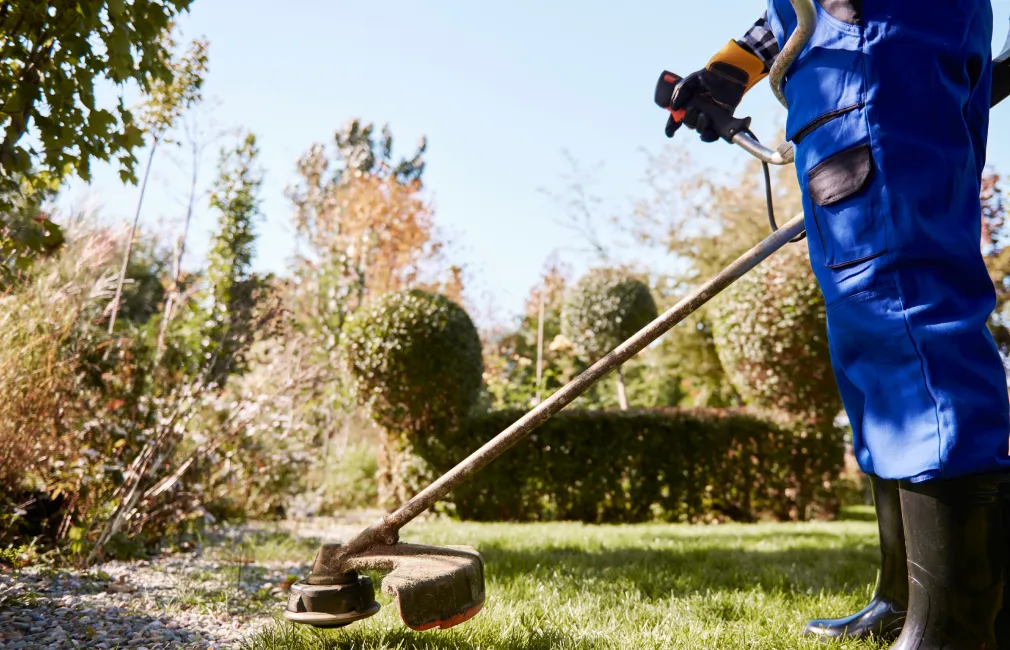
Port Charlotte Green Waste Disposal Types

Grass Clippings
-
Tree Branches
-
Shrub Trimmings
-
Leaves Collection
-
Palm Fronds
-
Garden Debris
-
Mulch Recycling
Our Green Waste Disposal Process
Collection of Green Waste
Sorting and Separation
Transport to Disposal Facility
Eco-Friendly Processing
Why Choose Port Charlotte Landscape Services
Port Charlotte Homeowners Trust Us
-
Expert Lawn Maintenance
-
Reliable Irrigation Solutions
-
Comprehensive Tree Care
-
Competitive Pricing
-
Licensed and Insured Team
-
Prompt Customer Support
-
Satisfaction Guarantee
Coordinating Green Waste Disposal Through Charlotte County Public Works in Port Charlotte
Port Charlotte is an unincorporated community within Charlotte County, meaning green waste disposal coordination falls under county-level departments rather than a standalone municipal government. Charlotte County Public Works oversees vegetative debris collection, curbside yard waste pickup, and right-of-way maintenance throughout the Port Charlotte area. Residents and property managers should verify current collection schedules, accepted material types, and container or bundling requirements directly with the county, as these details may change seasonally or following storm events. Green waste typically includes grass clippings, leaves, small branches, palm fronds, and other organic landscape debris. Placing materials in the correct location—away from swales, canal banks, and stormwater inlets—is essential to avoid drainage obstruction and potential code violations.
- Confirm curbside pickup schedules and any size or weight limits for bundled branches through Charlotte County Public Works
- Separate green waste from construction debris, household trash, and non-organic materials before placing items for collection
- Avoid stacking yard waste over drainage swales, canal edges, or storm-drain openings along the right-of-way
- After major storms, monitor county announcements for temporary debris collection sites and adjusted pickup timelines
Charlotte County Public Works
Official Website: Charlotte County Public Works
For questions about drainage impacts related to debris placement near engineered swales or canal infrastructure, the county's engineering division can provide additional guidance.
Charlotte County Public Works Engineering
Official Website: Charlotte County Public Works Engineering
How Port Charlotte's Gulf Coast Climate Shapes Green Waste Volume and Timing
Port Charlotte sits within the Gulf Coast Florida climate zone, classified under USDA Hardiness Zone 10a, where subtropical conditions drive year-round vegetative growth and correspondingly high volumes of green waste. The area receives approximately 50–55 inches of rainfall annually, with the majority concentrated during the wet season from June through October. This intense seasonal rainfall accelerates turf growth, palm frond drop, and broadleaf canopy expansion, producing substantially more organic debris during summer and early fall than during the cooler, drier months of November through April.
- Sandy soils with low organic content: Port Charlotte's predominant soil profiles feature poorly structured fine sands that drain rapidly but retain little moisture, causing shallow-rooted vegetation to shed material more frequently during drought stress
- High water table and canal network: Much of Port Charlotte was developed with an extensive canal and swale drainage system, making it critical that green waste never blocks water flow paths or accumulates near retention areas
- Humidity and decomposition: Summer humidity levels regularly exceed 80 percent, which accelerates decomposition of piled yard waste and can create odor, pest, and mold concerns if debris is not removed promptly
- Storm-season debris surges: Tropical storms and hurricanes can generate massive volumes of downed branches, palm fronds, and uprooted vegetation that require coordinated disposal beyond routine collection
Understanding these conditions helps property owners anticipate when green waste volumes will peak and plan disposal accordingly, rather than allowing organic material to accumulate on-site or along drainage corridors.
Navigating Port Charlotte's Regulatory Framework for Green Waste Disposal Compliance
Green waste disposal in Port Charlotte must align with both Charlotte County ordinances and broader Florida environmental regulations. The Florida DEP NPDES Stormwater Program establishes requirements for municipal separate storm sewer systems (MS4) that directly affect how vegetative debris is managed near stormwater infrastructure. Allowing green waste to enter canals, retention ponds, or curb inlets can introduce excess nutrients into waterways, contributing to algal blooms and water quality degradation—a concern reinforced by the Clean Water Act.
- Charlotte County code enforcement may issue violations for accumulated yard waste that creates nuisance conditions, obstructs visibility along roadways, or blocks drainage infrastructure
- Commercial landscape operators generating large volumes of green waste should verify whether county transfer station policies impose separate requirements for commercial haulers versus residential self-haulers
- Properties adjacent to canals, lakes, or preserved wetlands may face additional restrictions on where debris can be staged prior to collection; verify current requirements with the county's natural resources program
Conservation Charlotte
Official Website: Conservation Charlotte
The UF/IFAS guidance on protecting Florida's water resources provides additional context on preventing nutrient loading from organic debris entering surface water systems. Property managers overseeing multiple parcels should establish documented disposal procedures that account for both routine maintenance cycles and post-storm cleanup events.
Timing and Methods for Effective Green Waste Disposal in Port Charlotte, FL
Professional green waste disposal in Port Charlotte requires attention to seasonal timing, material preparation, and site-specific logistics. During the wet season, rapid turf and vegetation growth means disposal cycles may need to increase from biweekly to weekly intervals to prevent accumulation. Conversely, the dry season from November through April typically produces lower volumes, though winter pruning of deciduous or semi-deciduous species and palm maintenance can generate concentrated loads of woody debris.
- Material separation: Separate grass clippings and leaves from woody branches and palm fronds, as these categories may have different bundling, container, or size requirements for curbside collection
- Bundling standards: Branches and limbs are generally expected to be cut to manageable lengths and bundled or stacked neatly at the curb; verify current length and diameter limits with Charlotte County Public Works before placing material
- On-site composting: Where lot size permits, composting grass clippings and leaf material on-site reduces disposal volume and returns nutrients to sandy soils that benefit from organic amendment—though compost piles should be positioned away from property lines, canals, and drainage swales
- Post-storm protocols: Following named storms, the county may activate temporary debris staging areas and deploy specialized collection equipment; monitor National Weather Service advisories and county emergency communications for updated disposal instructions
- Avoid burning: Open burning of yard waste within Port Charlotte's developed areas is generally restricted; confirm current burn regulations with Charlotte County Fire and EMS before attempting any on-site burning
Charlotte County Fire and EMS
Official Website: Charlotte County Fire and EMS
Grasscycling—leaving finely cut grass clippings on the lawn after mowing—is an effective method to reduce green waste volume while returning nitrogen to the turf, a practice supported by UF/IFAS lawn maintenance guidance.
What Neighborhoods Do We Serve Throughout Port Charlotte, FL?
- Deep Creek: This master-planned community features golf course frontage, mature landscaping, and canal-adjacent lots that generate significant palm frond and broadleaf debris requiring consistent disposal scheduling.
- Murdock Village: Properties in this redevelopment area often sit on older fill soils with mixed drainage patterns, and green waste management must account for proximity to commercial corridors and stormwater infrastructure.
- Port Charlotte Town Center area: Residential parcels near the commercial core tend toward smaller lot sizes with limited staging space for curbside debris, requiring more frequent and carefully organized disposal cycles.
- Harbour Heights: Located along the Myakka River corridor, properties here frequently produce heavy volumes of native and semi-tropical vegetation debris, with particular sensitivity to waterway protection during disposal.
- El Jobean: This western Port Charlotte community includes waterfront and near-coastal lots where salt-tolerant vegetation generates unique debris types, including sea grape leaves and mangrove-adjacent trimmings that may carry disposal restrictions.
- Punta Gorda Isles-adjacent areas: Eastern Port Charlotte neighborhoods bordering the canal-heavy Punta Gorda Isles system must exercise particular care to prevent green waste from entering interconnected waterways that drain to Charlotte Harbor.